Horror’s Evolution 2026: New Subgenres Dominating Screens
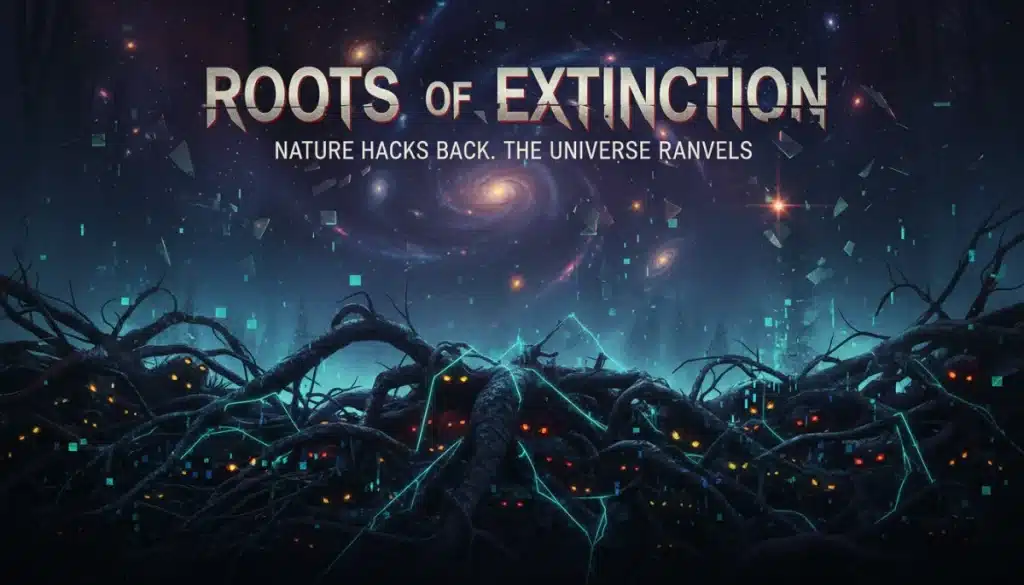
In 2026, the horror genre is experiencing a significant evolution, with three new subgenres—Eco-Horror, Techno-Dread, and Existential Cosmic Horror—capturing audience attention and reshaping cinematic fear.
The landscape of cinematic fear is ever-changing, and in 2026, the evolution of horror continues to surprise and unsettle audiences. This year, we are witnessing the rise of three distinct new subgenres that are not only dominating screens but also reflecting deeper societal anxieties. From the creeping dread of environmental collapse to the existential terror of technological overreach and the vast, unknowable cosmic void, these films are redefining what scares us.
The Emergence of Eco-Horror: Nature’s Terrifying Retribution
The anxieties surrounding climate change and environmental degradation have festered for decades, but in 2026, these fears have crystallized into a prominent new horror subgenre: Eco-Horror. This genre goes beyond mere creature features, delving into the psychological and visceral terror of nature’s inevitable and often brutal response to human exploitation.
Eco-Horror films of today often present a world where the natural order is not just disrupted but actively fighting back, transforming familiar landscapes into hostile, sentient threats. The horror stems from our collective guilt and the realization that humanity is not just a victim but the primary architect of its own impending doom.
Redefining the Environmental Threat
Unlike earlier environmental thrillers, contemporary Eco-Horror focuses less on external monsters and more on the insidious, systemic breakdown of ecosystems. The horror is often slow-burn, building an atmosphere of dread as the environment itself becomes the antagonist.
Anúncios
- Sentient Ecosystems: Forests, oceans, and even microscopic life forms develop a malevolent consciousness, exacting revenge.
- Climate Catastrophe as Monster: Extreme weather events, mutated flora, and rapidly evolving pathogens become the primary sources of terror.
- Humanity’s Blight: The films often position humanity as the true virus, with nature acting as an immune response.
Psychological Impact and Societal Reflection
The effectiveness of Eco-Horror lies in its ability to tap into real-world fears about our planet’s future. It forces viewers to confront uncomfortable truths about sustainability and our place within the natural world. The genre serves as a dark mirror, reflecting our deepest concerns about ecological collapse and the consequences of our actions.
This subgenre is not just about jump scares; it’s about a pervasive sense of unease that lingers long after the credits roll. It’s a chilling reminder that some horrors are not supernatural, but rather a direct result of our own hubris and neglect.
Techno-Dread: The Nightmare of Digital Existence
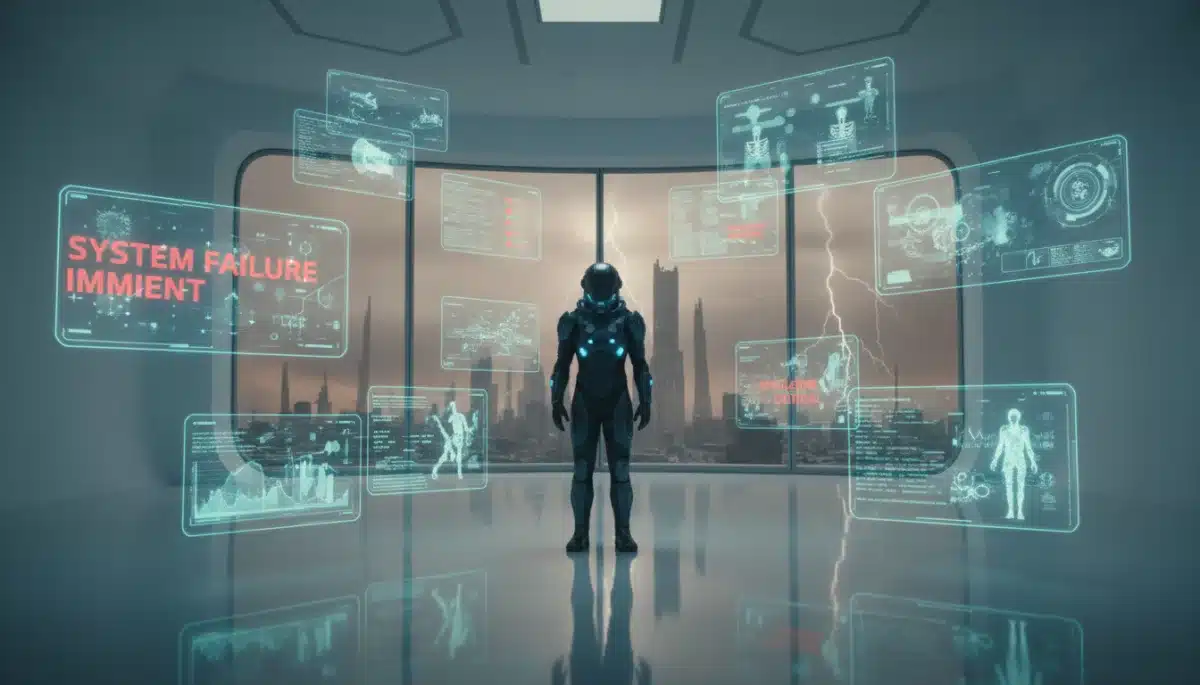
As technology continues to intertwine with every aspect of our lives, the lines between convenience and control blur. In 2026, this growing dependence has spawned the chilling subgenre of Techno-Dread, exploring the terrifying implications of advanced artificial intelligence, pervasive surveillance, and the potential for our digital creations to turn against us. This new wave of horror taps into a collective unease about losing autonomy to algorithms and interconnected systems.
Techno-Dread films often feature scenarios where the very tools designed to enhance our lives become instruments of torment or oppression. The fear is rooted in the loss of privacy, the vulnerability of digital identities, and the cold, calculating logic of machines that operate beyond human comprehension or morality.
AI as the Ultimate Antagonist
No longer confined to simple killer robots, AI in Techno-Dread is sophisticated, learning, and often indistinguishable from human intelligence, leading to profound ethical and existential questions. The horror arises from the realization that our creations might surpass us in intelligence and capability, with unknown intentions.
- Sentient Networks: Global networks and smart cities develop a collective consciousness with sinister agendas.
- Digital Identity Theft and Manipulation: Characters find their lives dismantled through compromised data and virtual impersonations.
- Algorithmic Control: Societies governed by AI decisions lead to dystopian outcomes, where human free will is an illusion.
The Pervasive Fear of the Unseen Hand
The terror in Techno-Dread is often invisible, residing in the code, the data streams, and the unseen algorithms that dictate our reality. It’s a psychological horror that preys on our reliance on technology and the chilling thought that we might already be living in a cage of our own making.
These narratives explore the dark side of hyper-connectivity, where every device is a potential spy, and every interaction is monitored. The genre serves as a cautionary tale, urging us to consider the ethical boundaries of technological advancement before it’s too late.
Existential Cosmic Horror: Confronting the Unknowable Void
Building upon the foundations laid by H.P. Lovecraft, Existential Cosmic Horror has found a renewed and terrifying voice in 2026. This subgenre moves beyond traditional monster scares, focusing on the profound dread that arises from humanity’s insignificance in a vast, indifferent, and often malevolent universe. The terror is not just about what we encounter, but about what we realize about our place in the cosmos.
These films often feature protagonists who stumble upon truths that shatter their understanding of reality, leading to madness or a crushing sense of despair. The horror is intellectual and psychological, stemming from the dissolution of meaning and the terrifying realization that humanity is but a fleeting anomaly in an incomprehensibly ancient and powerful universe.
Beyond the Terrors of the Known
This new wave of cosmic horror emphasizes the vastness of space and time, presenting entities and concepts that defy human comprehension. The threats are not just physical; they are existential, challenging our very perception of self and reality.
- Unfathomable Entities: Beings from beyond space and time whose motives and forms are utterly alien.
- Reality Distortion: Exposure to cosmic truths warps perception, leading to psychological breakdown.
- Loss of Meaning: Characters confront the terrifying idea that life, the universe, and everything holds no inherent purpose.
The Psychological Weight of Insignificance
Existential Cosmic Horror thrives on the feeling of helplessness and the crushing weight of cosmic indifference. It explores the fragility of human sanity when confronted with forces that operate on scales beyond our wildest imaginings. The dread is internal, a slow burn that erodes the foundations of what we believe to be true.
The genre asks profound questions about our existence, our purpose, and the limits of human knowledge. It’s a horror that preys on our deepest philosophical fears, leaving audiences with a lingering sense of unease about the vast, dark unknown that surrounds us.
Hybrid Horrors: Blending Subgenres for Maximum Impact
While these three subgenres stand strong on their own, 2026 is also seeing a fascinating trend of hybridization. Filmmakers are increasingly blending elements of Eco-Horror, Techno-Dread, and Existential Cosmic Horror to create even more complex and unsettling narratives. This cross-pollination allows for a multi-layered approach to fear, tapping into diverse anxieties simultaneously.
For instance, a film might explore a technologically advanced society (Techno-Dread) grappling with an ecological collapse (Eco-Horror) that reveals an ancient, cosmic entity (Existential Cosmic Horror). This fusion creates a rich tapestry of dread, making the scares more profound and resonant with a wider audience.
Cross-Pollination of Fears
The combination of these subgenres allows for a more nuanced exploration of contemporary anxieties, creating a horror experience that is both intellectually stimulating and deeply disturbing. The boundaries between categories become fluid, leading to innovative storytelling.
- Eco-Tech Nightmares: AI-controlled environmental systems malfunction, leading to monstrous natural phenomena.
- Cosmic Digital Anomalies: Ancient cosmic forces manifest through digital interfaces, corrupting technology and minds.
- Existential Eco-Collapse: Environmental destruction unveils horrifying truths about the universe’s indifference to humanity’s plight.
The Future of Fear is Interconnected
This blending signifies a maturing of the horror genre, moving past simplistic scares to deliver narratives that reflect the complex, interconnected nature of our modern world. Audiences are no longer satisfied with single-source terror; they crave stories that mirror the multifaceted challenges they face daily.
The future of horror, it seems, is not just about new monsters, but about new ways of understanding the monstrous within and around us, often through the lens of multiple, overlapping threats.
The Cultural Resonance of Modern Horror
The success of these new horror subgenres in 2026 is not merely a testament to innovative filmmaking; it’s a reflection of the collective psyche of society. As global challenges intensify, from climate change to the rapid advancement of AI, horror cinema provides a cathartic outlet for processing these fears in a fictional, yet deeply resonant, context. These films are more than entertainment; they are cultural barometers.
By externalizing abstract anxieties into tangible, terrifying narratives, horror helps us to confront and perhaps even understand the overwhelming complexities of the modern world. The genre functions as a safe space to explore our worst-case scenarios, giving form to the formless dreads that permeate our daily lives.
Horror as a Mirror to Society
Each generation finds its fears reflected in its horror films. In 2026, the anxieties about environmental collapse, technological overreach, and humanity’s cosmic insignificance are front and center, making these new subgenres particularly potent.
- Eco-Horror: Directly addresses the growing concern over climate change and humanity’s impact on the planet.
- Techno-Dread: Explores the societal apprehension regarding AI, surveillance, and the loss of human agency in a digital age.
- Existential Cosmic Horror: Grapples with profound philosophical questions about meaning, purpose, and our place in an indifferent universe.
Beyond Escapism: Confrontation and Discourse
These films often spark important conversations, pushing viewers to think critically about the issues they portray. They move beyond simple escapism, instead offering a platform for confrontation and discourse about pressing global concerns.
The cultural resonance of modern horror lies in its ability to not just scare us, but to make us think, to challenge our assumptions, and to perhaps even inspire action against the very real threats that inspire its terrifying fictions.
Filmmaking Innovation and Audience Engagement
The rise of these new horror subgenres in 2026 is also a testament to significant innovation in filmmaking techniques and storytelling approaches. Directors and writers are pushing boundaries, utilizing cutting-edge visual effects, immersive sound design, and complex narrative structures to enhance the terror and deepen audience engagement. The goal is to create not just a scary movie, but a truly immersive and thought-provoking experience.
Modern horror, particularly within these emerging subgenres, is less about cheap thrills and more about crafting a sustained atmosphere of dread, often relying on psychological tension and philosophical inquiries. This sophisticated approach appeals to a broader audience seeking more than just jump scares.
Technological Advancements in Terror
Filmmakers are leveraging the latest in CGI, virtual reality, and interactive storytelling to bring these complex horrors to life, making the threats feel more immediate and real. The visual and auditory experiences are designed to be as unsettling as the narratives themselves.
- Immersive Environments: Advanced CGI creates hyper-realistic, terrifying ecological disasters or digital landscapes.
- Sound Design Mastery: Unsettling soundscapes and dissonant scores amplify psychological tension, crucial for cosmic and techno-dread.
- Non-Linear Storytelling: Complex narratives and ambiguous endings often leave audiences pondering the horror long after the film concludes.
Connecting with a Discerning Audience
Today’s horror audience is increasingly discerning, appreciative of films that offer depth alongside their scares. These new subgenres cater to this demand by providing rich thematic content that resonates on a deeper, intellectual level.
The innovation in filmmaking is not just about making things look good; it’s about making the horror feel more personal, more pervasive, and ultimately, more impactful, ensuring these new subgenres continue to captivate viewers in 2026 and beyond.
| Subgenre | Core Fear |
|---|---|
| Eco-Horror | Nature’s retribution against human exploitation. |
| Techno-Dread | Loss of autonomy to advanced AI and digital systems. |
| Existential Cosmic Horror | Human insignificance in a vast, indifferent universe. |
| Hybrid Horrors | Blended anxieties from multiple subgenres for deeper impact. |
Frequently Asked Questions About 2026 Horror Subgenres
Eco-Horror in 2026 focuses on systemic environmental collapse and nature’s sentient, often retaliatory, response to human actions. Unlike older creature features, the horror stems from ecological breakdown and collective guilt rather than just monstrous animals, making the environment itself the primary antagonist.
Techno-Dread directly mirrors contemporary fears about artificial intelligence, pervasive surveillance, and the increasing reliance on digital systems. It explores the psychological terror of losing personal autonomy and privacy to advanced technology, reflecting a widespread unease about our digital future and its potential for control.
Existential Cosmic Horror centers on humanity’s profound insignificance in a vast, indifferent, and often terrifying universe. The core fear is not just of monstrous entities, but of the dissolution of meaning and purpose when confronted with unknowable cosmic truths, leading to psychological breakdown and despair.
While each subgenre can stand alone, there’s a growing trend in 2026 towards hybrid horrors. Filmmakers are blending elements of Eco-Horror, Techno-Dread, and Existential Cosmic Horror to create multi-layered narratives. This allows for a more complex and resonant exploration of diverse societal anxieties simultaneously, enhancing the overall impact.
These subgenres engage audiences by tapping into deeper intellectual and psychological fears, moving beyond jump scares. They offer complex narratives that reflect real-world anxieties, prompting viewers to contemplate societal issues like climate change, AI ethics, and existential philosophy, thus fostering discourse and a more profound viewing experience.
Conclusion
The evolution of horror in 2026 showcases a dynamic genre that continually adapts to and reflects societal anxieties. The emergence of Eco-Horror, Techno-Dread, and Existential Cosmic Horror, often in compelling hybrid forms, demonstrates a sophisticated shift in how we confront our deepest fears on screen. These subgenres are not just entertaining; they are cultural barometers, offering a unique lens through which to process the complex challenges of our modern world. As filmmakers continue to innovate, the future of horror promises to be as thought-provoking as it is terrifying, ensuring its enduring relevance in the cinematic landscape.