Deconstructing the Mockumentary: Relevance in 2026 Storytelling
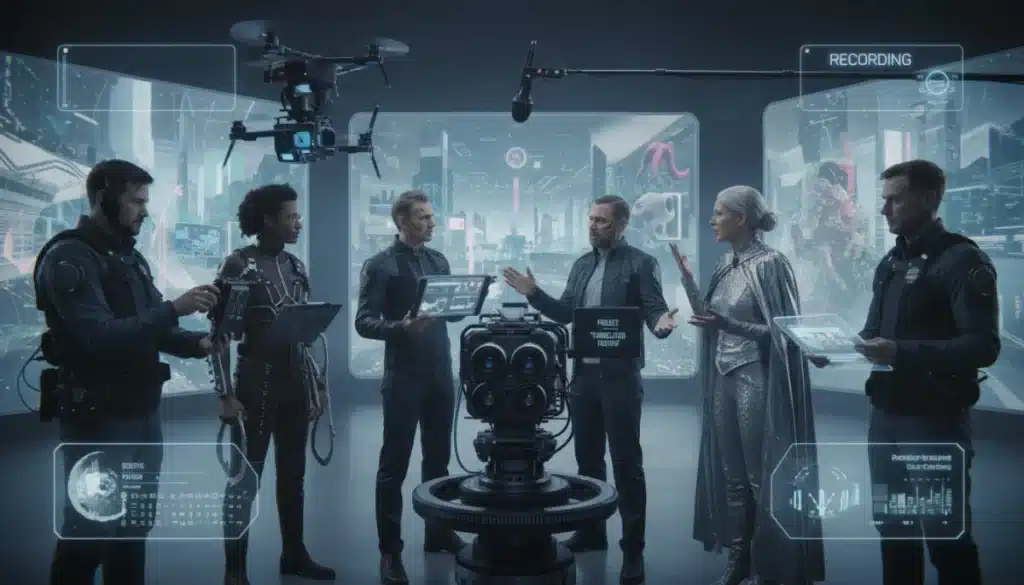
Mockumentaries remain a potent and versatile narrative form in 2026, adept at dissecting societal norms and media truths through a unique blend of humor, satire, and simulated reality.
In an increasingly complex media landscape, the mockumentary genre continues to captivate audiences and filmmakers alike. This exploration delves into Deconstructing the Mockumentary: Its Enduring Relevance in 2026 Storytelling, examining how this unique form of narrative not only entertains but also offers profound insights into our shared realities. What makes this genre so resilient and adaptable in an era saturated with content?
The evolving landscape of mockumentary in 2026
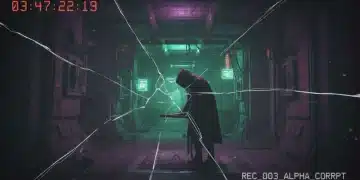
The mockumentary, a genre that playfully mimics documentary conventions, has seen remarkable evolution. From its comedic roots to its more serious, often unsettling contemporary iterations, its appeal lies in its ability to blur the lines between fact and fiction, prompting audiences to question what they perceive as real. In 2026, this blurring is more relevant than ever, as digital disinformation and hyper-realistic AI-generated content challenge traditional notions of truth.
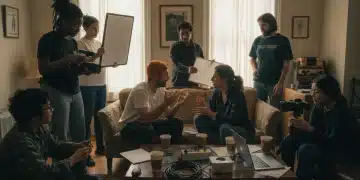
Historically, mockumentaries like ‘This Is Spinal Tap’ (1984) set the stage with their brilliant comedic timing and an almost uncanny ability to simulate reality. These early examples demonstrated the genre’s power to satirize specific subcultures and broader societal absurdities. As technology advanced, so did the sophistication of these productions, allowing for more intricate plots and deeper character development.
Technological influences and new platforms
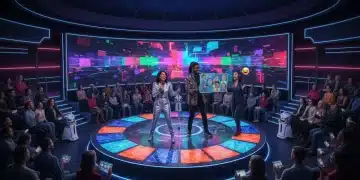
The advent of streaming platforms and user-generated content has significantly impacted the mockumentary. These new avenues offer unprecedented creative freedom and reach, allowing indie filmmakers to experiment with the genre without the constraints of traditional broadcasting. This has led to a diversification of themes and styles, pushing the boundaries of what a mockumentary can be.
- Accessibility of high-quality filming equipment has democratized production.
- Streaming services provide global distribution, reaching niche audiences.
- Social media integration offers new interactive storytelling possibilities.
- AI-driven tools assist in creating hyper-realistic visual and audio elements.
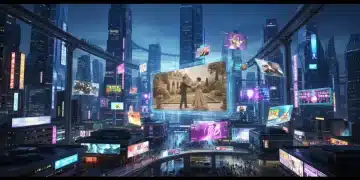
The mockumentary of 2026 often leverages these technological advancements to create narratives that are not only convincing but also deeply embedded in contemporary digital culture. This allows for new forms of audience engagement, where the line between the fictional narrative and real-world commentary becomes even more fluid.
Anúncios
Satire and social commentary: a powerful combination
At its core, the mockumentary is a vehicle for satire and social commentary. By presenting fictional events as factual, it provides a safe yet potent space to critique societal norms, political systems, and cultural trends without being overtly didactic. This indirect approach often resonates more deeply with audiences, fostering critical thinking rather than simple acceptance.
In 2026, where social and political discourse is often polarized, the mockumentary offers a nuanced way to engage with difficult topics. It can highlight absurdities in bureaucracy, expose hypocrisy in public figures, or even comment on the very nature of media consumption itself. The humor often serves as a Trojan horse, delivering sharp observations that might otherwise be dismissed.
Addressing contemporary issues
Modern mockumentaries frequently tackle pressing global issues, from climate change denial to the ethics of artificial intelligence. By fictionalizing these scenarios, they can explore potential consequences and human reactions in a way that traditional documentaries might find challenging. This speculative yet grounded approach makes the genre particularly relevant for a 2026 audience grappling with a rapidly changing world.
- Critiquing misinformation and ‘fake news’ phenomena.
- Exploring the impact of advanced technology on human interaction.
- Satirizing corporate culture and consumerism.
- Examining the complexities of identity and representation.
The ability of mockumentaries to reflect and refract contemporary anxieties through a satirical lens ensures their continued importance. They invite viewers to laugh, but also to think, providing a unique blend of entertainment and intellectual stimulation.
The psychological impact of simulated reality
One of the most fascinating aspects of the mockumentary is its psychological impact. By expertly crafting a simulated reality, the genre challenges viewers’ perceptions and encourages them to actively discern truth from fabrication. This cognitive engagement is crucial in an era where media literacy is paramount.
The suspension of disbelief required for a mockumentary is unique. Audiences are often aware they are watching fiction, yet the documentary style compels them to engage as if it were real. This delicate balance creates a powerful immersive experience, making the narrative more memorable and its messages more impactful. The discomfort of not knowing what is real can be a powerful tool for prompting deeper reflection.
Blurring lines and critical thinking
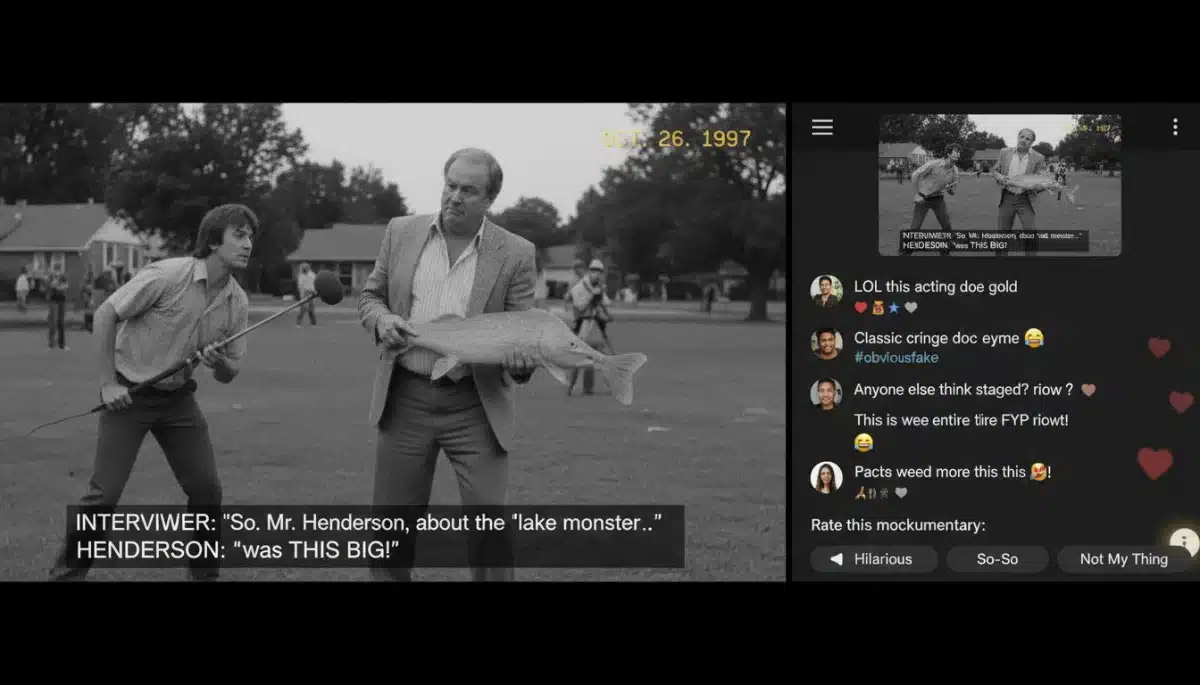
The mockumentary’s effectiveness often hinges on how convincingly it blurs the lines between reality and fiction. This deliberate ambiguity forces audiences to become active participants in the storytelling process, constantly evaluating the information presented. This is particularly valuable in 2026, where critical thinking skills are essential for navigating a complex information environment.
Consider how some mockumentaries are so well-executed that they initially fool viewers, leading to public debate and media coverage before their fictional nature is revealed. This phenomenon underscores the genre’s power to manipulate perception and provoke thought. The subsequent realization of the deception can often amplify the underlying message, making it resonate more profoundly.
Ultimately, the mockumentary acts as a training ground for media literacy, subtly teaching audiences to question sources and scrutinize narratives. This psychological engagement is a testament to its enduring relevance.
Mockumentary as a mirror: reflecting human nature
Beyond its satirical and critical functions, the mockumentary serves as a powerful mirror, reflecting various facets of human nature. Whether it’s the awkwardness of social interactions, the pursuit of fleeting fame, or the universal desire for connection, these narratives often tap into deeply relatable human experiences, even when presented through an exaggerated or absurd lens.
The characters in mockumentaries, despite their often eccentric qualities, frequently embody universal human traits and flaws. Their struggles, triumphs, and failures, presented in a seemingly authentic documentary style, allow audiences to see aspects of themselves and their society reflected back. This relatability is a key factor in the genre’s sustained popularity.
Exploring the mundane and the absurd
Many mockumentaries find humor and insight in the mundane, elevating everyday situations to a level of comedic absurdity. By focusing on seemingly ordinary individuals or events, they reveal the inherent drama and humor in human existence. This approach makes the genre accessible and allows for a wide range of thematic explorations.
- Showcasing the humor in office politics and corporate life.
- Highlighting the eccentricities of niche hobbies and subcultures.
- Examining the challenges of interpersonal relationships.
- Revealing the often-unspoken truths about societal pressures.
Through these explorations, mockumentaries offer a unique perspective on what it means to be human in a contemporary world. They remind us that even in the most ordinary circumstances, there is often a compelling story waiting to be told, and perhaps, a lesson to be learned.
The future of mockumentary: innovations and challenges
Looking ahead to 2026 and beyond, the mockumentary genre faces both exciting innovations and significant challenges. As media consumption habits continue to shift, and as technology advances at an unprecedented pace, the genre must adapt to maintain its relevance and impact. The creative potential, however, appears limitless.
One major innovation lies in the integration of interactive elements. Imagine mockumentaries where viewers can choose narrative paths, interact with characters through AI, or even contribute to the ‘found footage’ style narratives. These advancements could create even more immersive and personalized experiences, further blurring the lines between observer and participant.
Navigating deepfakes and AI ethics
The rise of sophisticated deepfake technology and advanced AI presents both an opportunity and a challenge. While these tools can enhance the realism of mockumentaries, they also raise ethical questions about authenticity and misinformation. Filmmakers will need to navigate these waters carefully, ensuring their satirical intent is clear while avoiding unintended real-world confusion.
- Developing clear ethical guidelines for using AI in mockumentary production.
- Exploring new narrative techniques to differentiate from genuine disinformation.
- Leveraging AI to create more complex and believable fictional scenarios.
- Engaging audiences in discussions about media authenticity.
The future of mockumentary will likely involve a delicate dance between technological innovation and responsible storytelling. The genre’s inherent self-awareness could be its greatest asset in addressing these emerging complexities, ensuring its continued role as a significant cultural commentator.
Educational and critical applications of mockumentary
Beyond entertainment, mockumentaries hold significant educational and critical value, particularly in 2026. They serve as excellent tools for teaching media literacy, critical thinking, and the nuances of narrative construction. By dissecting a mockumentary, students and audiences can learn to identify rhetorical strategies, recognize biases, and understand the power of framing.
Educators are increasingly utilizing mockumentaries in classrooms to stimulate discussion on complex social issues and to help students develop a discerning eye for media content. The genre’s engaging nature makes it an effective medium for conveying difficult concepts in an accessible way, fostering a more informed and critical viewership.
Teaching media literacy
In an age where information overload is the norm, the ability to critically evaluate sources is paramount. Mockumentaries, by their very design, challenge viewers to question what they see and hear. This makes them invaluable resources for media literacy programs, helping individuals to navigate the often-deceptive currents of digital information.
For instance, analyzing how a mockumentary constructs its ‘truth’ can illuminate the techniques used in real propaganda or misinformation campaigns. Understanding these mechanisms empowers individuals to be more resilient against manipulation and to become more responsible consumers and producers of media.
The educational applications extend beyond formal settings, influencing public discourse and encouraging a more critical engagement with all forms of media. This critical function cements the mockumentary’s enduring relevance as a vital tool for societal understanding.
| Key Aspect | Brief Description |
|---|---|
| Genre Evolution | Mockumentaries adapt to new tech and platforms, expanding narrative possibilities. |
| Social Commentary | Utilizes satire to critique societal norms and contemporary issues effectively. |
| Psychological Impact | Challenges viewer perceptions, fostering critical thinking about media truth. |
| Future Trends | Interactive storytelling and ethical AI use define its path forward. |
Frequently asked questions about mockumentaries
In 2026, a mockumentary is defined by its satirical imitation of documentary style, often incorporating advanced digital effects and interactive elements to create a believable yet fictional narrative. It aims to entertain while offering social commentary or critique, blurring the lines of reality for its audience.
Mockumentaries maintain relevance by using deepfake technology ethically, often to enhance satire or realism while clearly signaling their fictional nature. They can also serve as a platform to discuss the implications of deepfakes, turning potential threats into narrative opportunities for critical engagement.
Absolutely. Mockumentaries are excellent educational tools for teaching media literacy and critical thinking. By analyzing their construction, viewers learn to distinguish fact from fiction, identify narrative biases, and understand how media can shape perceptions, fostering a more discerning audience.
Emerging trends include interactive narratives, integration with augmented reality (AR) experiences, and a stronger focus on global socio-political commentary. Filmmakers are also experimenting with multi-platform storytelling, extending mockumentary narratives across various digital channels to enhance immersion.
Mockumentaries subtly challenge audience perceptions by mimicking reality so closely that they prompt viewers to question authenticity. This deliberate ambiguity encourages active critical engagement, making audiences more aware of media manipulation techniques and fostering a healthier skepticism towards presented ‘truths’.
Conclusion
The enduring relevance of the mockumentary in 2026 storytelling is undeniable. This unique genre continues to adapt and thrive, offering a powerful blend of entertainment, satire, and critical commentary. By embracing technological advancements and addressing contemporary societal issues, mockumentaries not only reflect our world but also shape our understanding of it. As media landscapes become increasingly complex, the mockumentary’s ability to blur lines, provoke thought, and entertain ensures its continued importance as a vital narrative form.