Rom-Com Evolution: 4 New Tropes Defining 2026
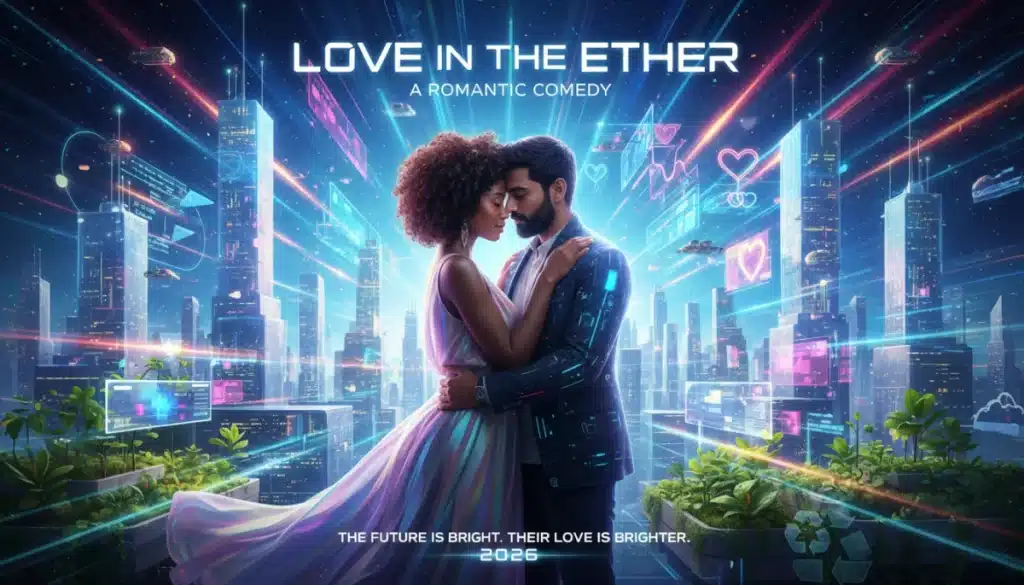
The evolution of romantic comedies in 2026 is marked by four distinct new tropes, reflecting societal shifts and technological integration, redefining how love stories are portrayed on screen.
The world of cinema is constantly evolving, and no genre encapsulates this dynamic shift quite like the romantic comedy. As we step into 2026, the traditional boy-meets-girl, meet-cute formula is being reimagined, giving way to narratives that resonate with contemporary audiences. This article delves into The Evolution of Romantic Comedies: 4 New Tropes Defining the Genre in 2026, exploring how filmmakers are crafting innovative love stories that reflect our increasingly complex and interconnected world.
The Rise of Digital-First Romance
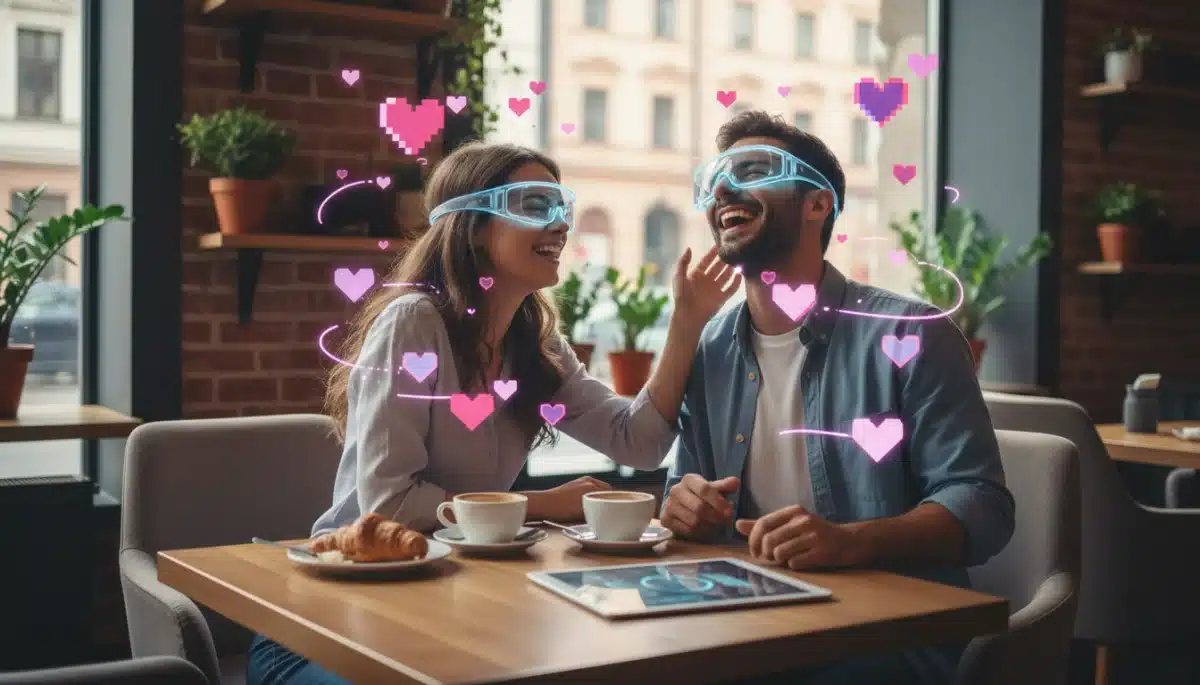
In an era where much of our lives are lived online, it’s only natural that our love stories would follow suit. The ‘Digital-First Romance’ trope explores relationships that primarily develop through virtual platforms before potentially translating into the physical world. This isn’t just about dating apps; it encompasses shared online communities, collaborative virtual projects, and even AI companionship evolving into genuine affection.
Filmmakers are leveraging the nuances of digital communication to create compelling character arcs. Misunderstandings arise from misinterpreted texts, emotional depth is conveyed through carefully crafted avatars, and the anticipation of a first physical meeting carries an entirely new weight. This trope challenges conventional notions of intimacy and connection.
Navigating Virtual Connections
The initial stages of these romances often involve protagonists building deep emotional bonds without ever physically meeting. This can lead to profound intimacy, but also to heightened expectations or even catfishing scenarios, adding layers of suspense and drama.
- Avatar-Based Dating: Characters fall for each other’s digital personas, questioning what happens when their real-world selves meet.
- Shared Online Worlds: Love blossoms within immersive virtual reality games or social platforms, where shared experiences forge strong bonds.
- AI Companionship: Exploring the boundaries of human-AI relationships and whether artificial intelligence can truly understand and reciprocate love.
The beauty of this trope lies in its exploration of authenticity in a digital age. What truly constitutes a connection when physical presence is absent? How do we reconcile our online identities with our offline selves? These are the questions that define the ‘Digital-First Romance’ and make it a compelling narrative for 2026.
Anúncios
Eco-Conscious Love Stories
As environmental concerns become increasingly central to global consciousness, romantic comedies are beginning to integrate these themes into their narratives. ‘Eco-Conscious Love Stories’ feature protagonists whose shared passion for sustainability, climate activism, or living in harmony with nature forms the bedrock of their relationship. This trope moves beyond mere backdrop, making environmental values integral to the plot.
These films often showcase characters meeting at climate protests, collaborating on eco-friendly startups, or falling in love while working on conservation projects. Their romantic journey is intertwined with their efforts to make a positive impact on the planet, adding a layer of purpose and shared idealism to their connection.
Green Romances and Shared Values
The conflicts in these stories often stem from environmental dilemmas, personal sacrifices for the planet, or disagreements on the best course of action. This allows for both external stakes and internal character development, as couples navigate their personal lives alongside their global responsibilities.
- Sustainable Living Romances: Couples bond over minimalist lifestyles, permaculture, or off-grid living, finding love in shared ethical choices.
- Activist Love: Relationships forged on the front lines of environmental movements, where passion for a cause ignites personal connection.
- Climate-Tech Innovators: Engineers and scientists falling in love while developing solutions for climate change, blending intellect with emotion.
The ‘Eco-Conscious Love Story’ reflects a growing desire for media that not only entertains but also subtly educates and inspires. It champions the idea that love can be a powerful force for change, both personally and globally, offering a refreshing take on the genre’s potential.
The ‘Second Chance, New World’ Trope
Life often grants us second chances, but what happens when that chance comes in a drastically altered world? The ‘Second Chance, New World’ trope explores reunited lovers or rekindled flames navigating their relationship against the backdrop of significant societal or technological shifts. This isn’t just about exes getting back together; it’s about doing so in a landscape that has fundamentally changed since their initial parting.
Perhaps they reconnect after a global event, a technological leap that reshapes daily life, or a personal transformation that makes their old arguments seem trivial. The challenge lies in adapting their past connection to a present that demands new ways of interacting and understanding each other. This trope offers a blend of nostalgia and futuristic exploration.
Reconnecting in a Transformed Reality
These narratives often feature characters who have grown apart due to differing paths, only to find themselves drawn back together by unforeseen circumstances. The ‘new world’ element provides both obstacles and opportunities for their rekindled romance, forcing them to confront not just their past but also their altered present.
- Post-Event Reunions: Former partners find each other again after a major global incident, realizing their old conflicts are insignificant.
- Technological Leap Love: Exes reconnect in a future where technology has profoundly changed social dynamics, forcing them to learn new ways of relating.
- Personal Metamorphosis: One or both characters have undergone significant personal growth, making a second chance possible in a new emotional landscape.
This trope resonates with the universal desire for redemption and growth, amplified by the external pressures of a changing world. It suggests that love, like society, can adapt and evolve, finding new forms even after significant disruption.
Hyper-Niche Community Romance
In an increasingly specialized world, people often find their strongest connections within highly specific interest groups or subcultures. The ‘Hyper-Niche Community Romance’ trope centers on love stories blossoming within these tightly-knit, often obscure, communities. This moves beyond generic hobbies to deeply specialized passions, where shared enthusiasm creates an instant, profound bond.
Imagine a romance between two competitive robotic combat engineers, or a couple who fall in love while deciphering ancient alien languages in a virtual archaeology forum. The shared, intense passion for a specific, often quirky, interest becomes the catalyst and constant backdrop for their relationship, providing endless opportunities for unique meet-cutes and relatable conflicts.
Love in Specialized Worlds
The humor and heart of these stories often come from the juxtaposition of intense romantic feelings with the specific jargon, rituals, and inside jokes of their niche world. External characters might not understand their passion, but within their community, it’s the most natural thing in the world.
- Competitive Gaming Romances: Two rival gamers find love amidst high-stakes tournaments and online rivalries.
- Historical Reenactment Love: Passionate reenactors fall for each other while meticulously recreating historical periods, blurring lines between roles and reality.
- Fandom-Fueled Relationships: Deep connections formed within dedicated fan communities, where shared adoration for a fictional universe leads to real-world romance.
This trope celebrates the beauty of finding someone who truly understands and shares your most specific passions. It offers a refreshing alternative to broader romantic narratives, proving that love can thrive in the most unexpected and specialized corners of human experience, making it a delightful addition to rom-coms in 2026.
The Blended Family Blueprint
Modern family structures are more diverse than ever, and romantic comedies are finally catching up. The ‘Blended Family Blueprint’ trope focuses on love stories where the protagonists are already parents, often with complex family dynamics, and their romance involves the intricate process of integrating existing families. This isn’t just about a single parent finding love; it’s about two established family units attempting to merge.
These narratives often explore the challenges and rewards of co-parenting, navigating step-sibling relationships, and finding love while prioritizing the well-being of their children. The humor and emotional depth arise from the real-world complexities of creating a new family unit, rather than just a new couple.
Navigating Existing Family Dynamics
The conflicts in these stories are often external, involving skeptical children, meddling ex-spouses, or logistical nightmares, but also internal, as the protagonists balance their romantic needs with their parental responsibilities. The success of the romance hinges on their ability to build a cohesive and loving blended family.
- Co-Parenting Romances: Two single parents find love and learn to co-parent their respective children, creating a new family dynamic.
- The ‘Village’ Love Story: A romance develops within a community where multiple families support each other, and the new couple must integrate into this existing network.
- Intergenerational Blending: Stories that involve not just children, but also grandparents or other extended family members merging, adding layers of complexity.
The ‘Blended Family Blueprint’ offers a more mature and realistic portrayal of modern love, acknowledging that many individuals seeking romance already come with established lives and responsibilities. It celebrates the idea that love can expand and enrich existing family structures, providing heartwarming and often humorous insights into the complexities of contemporary relationships.
Meta-Aware Rom-Coms
The ‘Meta-Aware Rom-Com’ trope takes self-referential humor to a new level, with characters who are acutely aware they are living in a romantic comedy. They might comment on genre clichés, break the fourth wall, or even actively try to manipulate their own love story to fit a desired narrative arc. This trope offers a playful deconstruction of the genre itself.
These films often use humor to highlight the absurdity of rom-com conventions, while simultaneously delivering genuine emotional beats. The characters’ awareness of their narrative allows for ironic commentary on destiny, meet-cutes, and the often-unrealistic expectations set by traditional romantic films. It’s a love letter to the genre, wrapped in a satirical bow.
Playing with Genre Conventions
The appeal of meta-aware rom-coms lies in their ability to both embrace and subvert expectations. Characters might actively avoid certain tropes, only to find themselves falling into them anyway, or they might try to force a happy ending, leading to unexpected and humorous complications. The audience is in on the joke, creating a unique viewing experience.
- Fourth-Wall Breaking Love: Protagonists directly address the audience, commenting on their own romantic predicaments and plot points.
- Genre-Savvy Characters: Characters who have watched too many rom-coms try to apply or avoid tropes in their own lives, often with chaotic results.
- Narrative Manipulation: A character attempts to write or direct their own love story, only to discover that real life is far less predictable.
The ‘Meta-Aware Rom-Com’ is a sophisticated evolution, appealing to viewers who appreciate both the comfort of familiar tropes and the wit of their deconstruction. It proves that even when a genre looks inward, it can still find new ways to charm and surprise its audience, making it a clever and engaging addition to the 2026 landscape.
| New Rom-Com Trope | Brief Description |
|---|---|
| Digital-First Romance | Relationships primarily developing through virtual platforms and online interactions. |
| Eco-Conscious Love Stories | Romances where shared environmental passion and sustainability are central to the plot. |
| Second Chance, New World | Reunited lovers navigating their relationship in a significantly altered societal or technological landscape. |
| Hyper-Niche Community Romance | Love stories blossoming within highly specialized interest groups or subcultures. |
Frequently Asked Questions about Rom-Com Tropes in 2026
A ‘Digital-First Romance’ is characterized by relationships that primarily originate and develop through virtual platforms, such as online games, social media, or AI interactions. The emotional connection often forms before any physical meeting, exploring themes of authenticity and digital intimacy in modern love stories.
Unlike traditional rom-coms where environmental themes are absent or incidental, ‘Eco-Conscious Love Stories’ integrate sustainability and climate activism as core elements of the plot. The protagonists’ shared values and efforts towards environmental causes are central to their romantic journey and character development, adding depth and purpose.
This trope involves former lovers or exes reuniting and rekindling their romance, but crucially, they do so in a world that has undergone significant societal or technological transformation. Their challenge is to adapt their past connection to a dramatically altered present, exploring themes of redemption and evolved relationships.
‘Hyper-Niche Community Romance’ distinguishes itself by focusing on love stories that blossom within highly specific, often obscure, interest groups or subcultures. The shared, intense passion for a unique hobby or specialized field becomes the primary catalyst for the romance, offering distinct humor and relatable connections.
Yes, ‘Blended Family Blueprint’ rom-coms are often considered more realistic as they portray love stories where protagonists are already parents with existing family dynamics. These films delve into the complexities of integrating families, co-parenting, and balancing romantic needs with parental responsibilities, reflecting modern family structures.
The Enduring Appeal of Evolving Love
The romantic comedy genre, far from being stagnant, continues to prove its incredible adaptability and enduring appeal. The emergence of these four new tropes—Digital-First Romance, Eco-Conscious Love Stories, Second Chance, New World, and Hyper-Niche Community Romance—in 2026 highlights a genre keenly attuned to the pulse of contemporary society. These narratives not only entertain but also reflect our changing values, technological advancements, and the diverse ways in which human connection continues to thrive. As filmmakers push the boundaries of storytelling, the future of rom-coms promises a rich tapestry of innovative and relatable love stories for audiences worldwide, ensuring that the magic of finding love, in all its forms, remains a cinematic constant.