2026 Viewer Demographics Shift: Studio Marketing Strategies
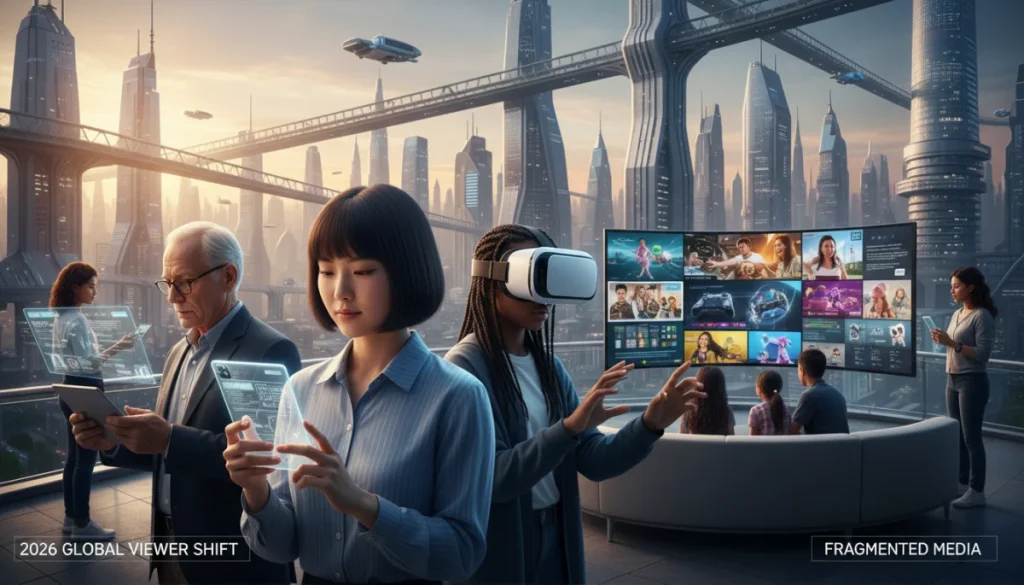
The 2026 viewer demographics shift significantly impacts studio marketing strategies by demanding a pivot towards personalized content, multi-platform engagement, and data-driven audience insights to capture evolving consumer attention.
The media landscape is in constant flux, and understanding the impending 2026 viewer demographics shift is not merely an option but a critical imperative for studio marketing. As we approach 2026, the evolution of who watches what, where, and how profoundly redefines the strategies necessary to capture and retain audience attention.
The Evolving Viewer: A Generational Deep Dive
The audience of tomorrow is fundamentally different from yesterday’s. As digital natives come of age and older generations embrace new technologies, a significant restructuring of viewing habits is underway. Studios must not only acknowledge these changes but actively anticipate and adapt to them to remain competitive.
This section delves into the distinct characteristics of key generational cohorts and how their viewing behaviors are shaping the future of content consumption. Understanding these nuances is the first step toward crafting effective marketing campaigns.
Gen Z and Gen Alpha: The Digital-First Audience
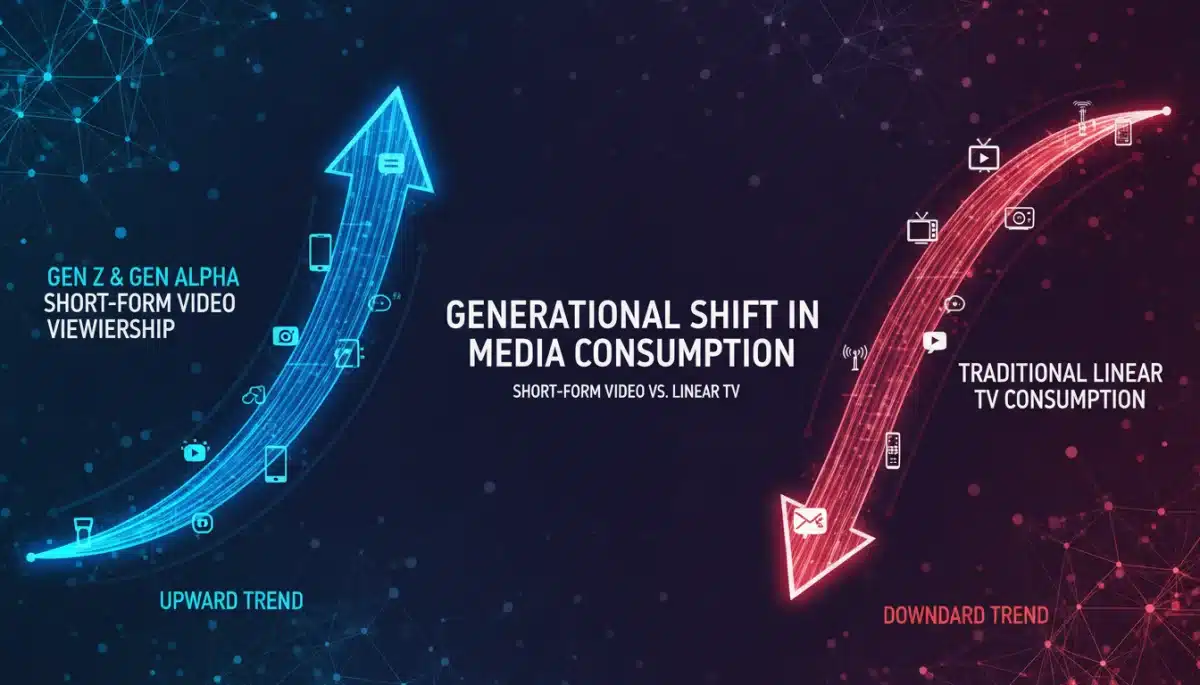
Generations Z and Alpha, born into a world saturated with digital technology, represent the vanguard of this demographic shift. Their expectations for content are shaped by instant access, personalization, and interactive experiences. They are not just viewers; they are active participants.
- Short-form content preference: TikTok, YouTube Shorts, and Instagram Reels dominate their attention spans.
- Authenticity over polish: They value genuine, relatable content from creators they trust.
- Multi-platform engagement: Seamlessly switch between streaming services, social media, and gaming platforms.
- Community-driven consumption: Discover content through peer recommendations and online communities.
Millennials: The Hybrid Consumers
Millennials, now firmly established as a dominant consumer group, bridge the gap between traditional media and digital innovation. They are adept at navigating both linear television and vast streaming libraries, often subscribing to multiple services.
Anúncios
Their viewing habits are characterized by a desire for convenience and control. They expect on-demand access to a wide variety of content and are influenced by critical reviews and personalized recommendations. Marketing to millennials requires a blend of nostalgia and forward-thinking digital engagement.
Gen X and Baby Boomers: Adapting to New Habits
While often associated with traditional media, Gen X and Baby Boomers are increasingly adopting streaming and digital platforms. Their transition may be slower, but their engagement is significant, particularly for content that resonates with their life experiences and interests.
Studios should not overlook these demographics, as they often have disposable income and brand loyalty. Marketing efforts for these groups benefit from clear, accessible messaging and highlighting the ease of use of new platforms, often incorporating traditional advertising channels alongside digital ones.
In conclusion, the generational differences in media consumption underscore the need for a diversified marketing approach. Each cohort presents unique challenges and opportunities, requiring tailored strategies that acknowledge their distinct preferences and digital literacy levels.
The Rise of Hyper-Personalization in Content Delivery
The days of one-size-fits-all content delivery are rapidly fading. The 2026 viewer demographics shift is driven by an expectation of hyper-personalization, where content recommendations, advertising, and even narrative choices are increasingly tailored to individual tastes. Studios must leverage advanced data analytics to meet this demand.
This shift goes beyond mere content suggestions; it encompasses the entire viewer journey, from discovery to engagement and retention. Personalization is no longer a luxury but a fundamental component of a successful marketing strategy.
Data Analytics and AI: Powering Tailored Experiences
Artificial intelligence and sophisticated data analytics are the backbone of hyper-personalization. By analyzing vast amounts of viewer data—including watch history, genre preferences, viewing times, and even emotional responses—studios can create highly targeted marketing campaigns.
AI algorithms can predict future viewing habits, identify emerging trends, and even optimize content creation by suggesting elements that resonate with specific audience segments. This data-driven approach allows for dynamic ad placement and personalized content feeds that feel uniquely curated for each user.
Interactive and Adaptive Storytelling
Beyond recommendations, personalization is extending into the content itself. Interactive narratives, where viewers make choices that influence the storyline, are gaining traction. While still nascent, this trend signifies a move towards more immersive and individualized experiences.
Adaptive storytelling can also involve offering multiple versions of content or varying marketing messages based on a viewer’s demographic profile or past interactions. This level of engagement fosters a deeper connection with the audience and differentiates content in a crowded market.
The essence of hyper-personalization lies in making each viewer feel seen and understood. By leveraging data and technology, studios can move beyond broad demographic targeting to create truly bespoke experiences, enhancing engagement and fostering loyalty in the competitive 2026 media landscape.
Multi-Platform Engagement: Beyond Traditional Screens
The traditional television set is no longer the sole gatekeeper of content. The 2026 viewer demographics shift highlights a significant move towards multi-platform consumption, with audiences engaging with content across a myriad of devices and ecosystems. Studio marketing strategies must embrace this fragmented reality.
Reaching viewers effectively now means understanding their complete digital footprint and crafting campaigns that resonate across all touchpoints, from mobile phones to smart TVs, gaming consoles, and even virtual reality environments.
The Mobile-First Imperative
Smartphones have become the primary screen for many, especially younger demographics. Content consumption on mobile devices is not limited to short-form videos; full-length movies and series are increasingly watched on the go. Studio marketing must prioritize mobile optimization, from ad formats to user experience.
This includes developing compelling social media campaigns, designing mobile-friendly websites, and integrating with popular messaging apps where audiences spend a significant portion of their time. Mobile advertising needs to be non-intrusive and contextually relevant to be effective.
Gaming and Metaverse Opportunities
The intersection of gaming, entertainment, and social interaction presents a vast, untapped frontier for studio marketing. Virtual worlds and metaverse platforms are becoming significant cultural hubs, attracting millions of users, particularly younger audiences.
- In-game advertising: Integrating movie trailers or character appearances within popular games.
- Virtual events and premieres: Hosting exclusive content launches in metaverse environments.
- Brand collaborations: Partnering with game developers to create themed experiences or digital merchandise.
- Interactive storytelling: Exploring narrative extensions within virtual worlds that tie back to cinematic universes.
Effectively navigating the multi-platform landscape requires a holistic approach, ensuring brand consistency and compelling storytelling, regardless of the screen or environment. Studios that can seamlessly integrate their marketing efforts across diverse platforms will be best positioned to capture the attention of the evolving 2026 viewer.
Content Discovery in a Saturated Market
With an unprecedented volume of content available, standing out in a saturated market is one of the biggest challenges presented by the 2026 viewer demographics shift. Viewers are overwhelmed with choices, making effective content discovery paramount for studio marketing strategies.
The goal is no longer just to create great content, but to ensure that the right content reaches the right audience at the right time, cutting through the noise and capturing fleeting attention.
Influencer Marketing and Creator Economy
Trust in traditional advertising is waning, particularly among younger demographics. Influencer marketing, leveraging individuals who have built authentic connections with their audiences, has become a powerful discovery tool. Studios can collaborate with creators whose values align with their content.
The creator economy provides a direct line to niche communities and highly engaged followers. Campaigns can range from sponsored reviews to co-created content that organically integrates studio offerings, fostering genuine interest rather than forced promotion.
Algorithmic Transparency and Trust
While algorithms drive personalization, there’s a growing demand for transparency in how content is recommended. Building trust with viewers means not only offering relevant suggestions but also explaining, or at least implying, why certain content is being shown.
Studios can work with platforms to ensure their content is discoverable through ethical and audience-centric algorithms, focusing on quality and relevance rather than solely on promotional spend. This fosters a more positive and trustworthy discovery experience.
Ultimately, content discovery in 2026 relies on a combination of strategic partnerships, deep audience understanding, and a commitment to delivering value. Studios must become adept at navigating both human-driven and algorithmic discovery pathways to connect with their target viewers.
Rethinking Monetization Models and Value Propositions
The 2026 viewer demographics shift is not just about how content is consumed, but also how it’s valued and paid for. Traditional monetization models are being challenged by evolving audience expectations for flexibility, affordability, and diverse access options. Studio marketing must adapt its value propositions accordingly.
This includes exploring new subscription tiers, ad-supported models, transactional video-on-demand (TVOD), and even hybrid approaches that cater to varying viewer preferences and financial capacities.
Flexible Subscription and Ad-Supported Tiers
The era of a single, premium subscription tier is largely over. Viewers expect choice. Studios are increasingly offering a spectrum of options, from ad-supported free tiers to premium ad-free experiences, often with additional perks like early access or exclusive content.
Marketing these varied tiers requires clear communication of their respective benefits and limitations. The value proposition must be distinct for each, appealing to different segments of the audience based on their willingness to pay and tolerance for advertisements.
Direct-to-Consumer (DTC) Engagement
Many studios are moving towards direct-to-consumer models, allowing them to build direct relationships with their audience and gather invaluable first-party data. This bypasses traditional distributors and enables greater control over content distribution and monetization.
DTC platforms offer opportunities for personalized bundles, exclusive content, and direct fan engagement, fostering a sense of community and loyalty. Marketing for DTC channels emphasizes the unique benefits of direct access and the enhanced viewer experience.
In essence, rethinking monetization involves understanding that value is perceived differently by various demographic segments. Studios that can offer flexible, transparent, and audience-centric monetization models will be better positioned to thrive in the complex economic landscape of 2026.
Ethical Considerations and Trust in Marketing
As marketing becomes more sophisticated and data-driven, ethical considerations and building viewer trust are paramount, especially given the discerning nature of the 2026 viewer demographics shift. Audiences, particularly younger ones, are increasingly aware of data privacy and expect transparency from brands.
Marketing strategies that prioritize ethical data usage, genuine representation, and clear communication will not only comply with regulations but also foster deeper, more meaningful connections with viewers.
Data Privacy and Transparency
With increasing concerns about personal data, studios must be transparent about how they collect, use, and protect viewer information. Clear privacy policies and easy-to-understand explanations of data practices are essential for building trust.
Marketing messages should avoid deceptive practices or dark patterns designed to trick users into sharing more data than intended. Ethical data stewardship is a competitive advantage in a world where consumers are increasingly privacy-conscious.
Authenticity and Representation
Modern audiences demand authenticity and diverse representation in content and marketing. Tokenism or inauthentic portrayals can quickly backfire, alienating key demographic groups. Studios must ensure their marketing reflects the diverse world their audiences inhabit.
This extends to the voices and faces used in campaigns, the narratives promoted, and the underlying values of the studio itself. Aligning marketing with genuine commitment to diversity and inclusion resonates deeply with the evolving viewer base.
In summary, ethical marketing is not just about avoiding pitfalls; it’s about proactively building a foundation of trust and respect with the audience. Studios that demonstrate a commitment to these principles will cultivate a loyal and engaged viewership that transcends fleeting trends.
| Key Aspect | Implication for Studio Marketing |
|---|---|
| Generational Shifts | Requires tailored content and platform strategies for Gen Z, Alpha, Millennials, Gen X, and Boomers. |
| Hyper-Personalization | Demands data analytics and AI to deliver individualized content recommendations and marketing messages. |
| Multi-Platform Engagement | Necessitates campaigns optimized for mobile, gaming, and emerging metaverse environments. |
| Monetization Evolution | Calls for flexible subscription models, ad-supported tiers, and direct-to-consumer options. |
Frequently Asked Questions About 2026 Viewer Demographics
The primary driver is the coming of age of Gen Z and Gen Alpha, who are digital natives with distinct content consumption habits, coupled with the continued adoption of streaming and digital platforms by older generations, leading to diversified viewing behaviors.
Hyper-personalization demands studios use advanced data analytics and AI to deliver tailored content recommendations and marketing messages, moving beyond broad targeting to individual viewer preferences, thereby increasing engagement and retention.
Mobile devices are primary screens, requiring mobile-first optimization. Gaming and metaverse platforms offer new avenues for in-game advertising, virtual events, and brand collaborations, expanding reach beyond traditional media consumption.
Content discovery is challenging due to market saturation. Studios must leverage influencer marketing, creator economy partnerships, and ethical algorithmic practices to ensure their content stands out and reaches targeted audiences effectively amidst vast choices.
Monetization is evolving to include flexible subscription tiers, ad-supported options, and direct-to-consumer models. Studios are adapting to viewer demands for choice and value, ensuring diverse access and revenue streams that cater to different financial capacities.
Conclusion
The 2026 viewer demographics shift represents a pivotal moment for the entertainment industry. Studios that proactively embrace these changes, investing in data-driven personalization, multi-platform engagement, and ethical marketing practices, will not only survive but thrive. The future of studio marketing lies in understanding the nuanced preferences of a diverse, digitally-native audience and delivering compelling, relevant content wherever and however they choose to consume it. Adaptability, innovation, and a deep respect for the viewer’s evolving journey will be the hallmarks of successful strategies in the years to come.