2026 Theatrical Distribution: Traditional vs. Hybrid Models
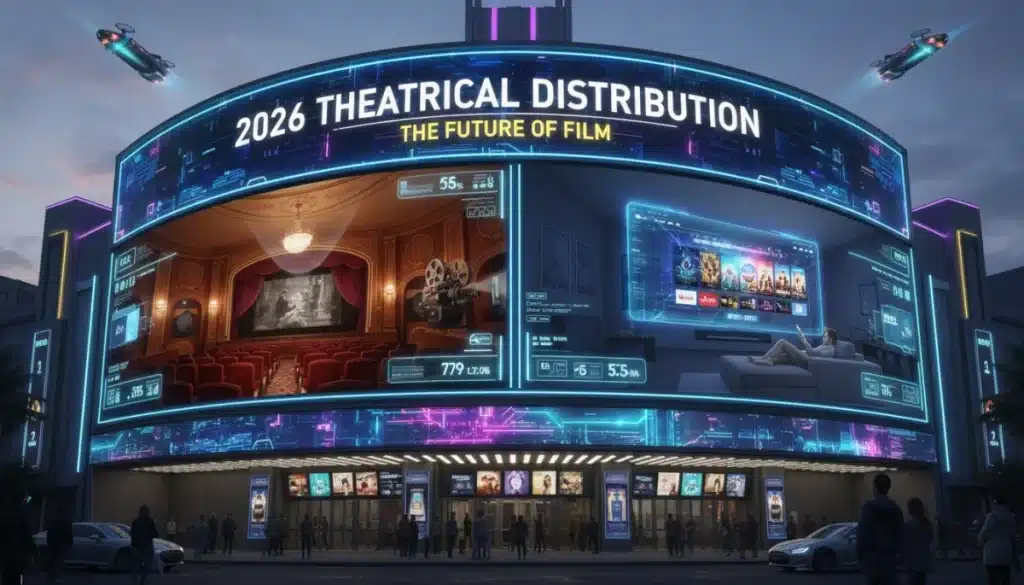
The 2026 evolution of theatrical distribution marks a pivotal shift, with traditional models emphasizing exclusive cinema runs contrasting sharply with hybrid models that simultaneously leverage theatrical and digital platforms for film releases.
The film industry is in a constant state of flux, and by 2026, the landscape of film exhibition and consumption has undergone significant transformations. Understanding the nuances of 2026 theatrical distribution, particularly the comparison between traditional and hybrid models, is crucial for anyone navigating this evolving ecosystem. How will studios maximize reach and revenue in an increasingly fragmented market?
The Enduring Appeal of Traditional Theatrical Distribution
Despite the rapid advancements in digital consumption, the traditional theatrical distribution model continues to hold a significant, albeit evolving, place in the film industry. This model, centered around exclusive cinema windows, still offers unique benefits that are hard to replicate through digital means alone.
In 2026, the allure of the big screen remains powerful. The collective experience of watching a film in a darkened theater, surrounded by an audience, creates a sense of occasion and immersion that streaming platforms struggle to match. This communal aspect is particularly vital for blockbuster releases, fostering critical buzz and cultural conversations.
The Strategic Advantages of Exclusive Windows
- Eventization: An exclusive theatrical run positions a film as a major event, driving urgency for audiences to see it immediately.
- Premium Pricing: Cinema tickets and concessions allow for higher per-viewer revenue compared to many digital alternatives.
- Awards Eligibility: Most major film awards still require a theatrical release, making it essential for prestige and industry recognition.
Furthermore, the marketing campaigns built around traditional theatrical releases are often more extensive and impactful, creating a widespread awareness that can carry over into subsequent distribution windows. The disciplined rollout allows studios to build momentum, generate critical reviews, and leverage word-of-mouth before the film reaches other platforms.
Ultimately, the traditional model, even in 2026, provides a structured pathway for films to establish their cultural footprint and maximize initial revenue through a focused, high-impact release strategy. Its continued relevance underscores the intrinsic value of the cinematic experience.
Anúncios
The Rise and Refinement of Hybrid Distribution Models
The term ‘hybrid distribution’ has become commonplace by 2026, signifying a strategic blend of theatrical and digital release strategies. This model aims to capitalize on the strengths of both worlds, offering flexibility and broader audience reach, often in response to evolving consumer behaviors and technological capabilities.
Hybrid models typically involve simultaneous or near-simultaneous releases in cinemas and on streaming platforms, or through Premium Video On Demand (PVOD). This approach gained significant traction during periods of market disruption and has since been refined into a sophisticated tool for studios to diversify revenue streams and mitigate risks.
Key Characteristics of 2026 Hybrid Releases
- Simultaneous Release: Films debut in theaters and on a streaming service or PVOD on the same day.
- Shortened Windows: A brief exclusive theatrical window (e.g., 17-45 days) followed quickly by digital availability.
- Tiered Access: Offering different pricing structures for theatrical viewing, PVOD rental, or subscription service access.
The appeal of hybrid distribution lies in its ability to cater to diverse audience preferences. While some viewers still prefer the cinema experience, many others appreciate the convenience and accessibility of watching new releases from home. This flexibility can lead to increased overall engagement and potentially higher total revenue by tapping into multiple consumer segments concurrently.
Moreover, hybrid models provide studios with valuable data on consumer behavior across different platforms, allowing for more targeted marketing and future content strategies. The refinement of these models in 2026 demonstrates a clear industry commitment to adapting to a dynamic media landscape, balancing traditional exhibition with modern digital consumption.
Audience Engagement: Cinema vs. Couch
The battle for audience attention in 2026 is fiercer than ever, with both traditional and hybrid distribution models vying for viewers’ time and money. Understanding how each model impacts audience engagement is fundamental to predicting future industry trends.
Traditional theatrical releases, by their nature, demand a higher level of commitment from the audience. It requires planning, travel, and a dedicated block of time. This investment often translates into a more focused and immersive viewing experience, leading to stronger emotional resonance and memorable moments. The shared experience can also amplify reactions, making comedies funnier and thrillers more intense.
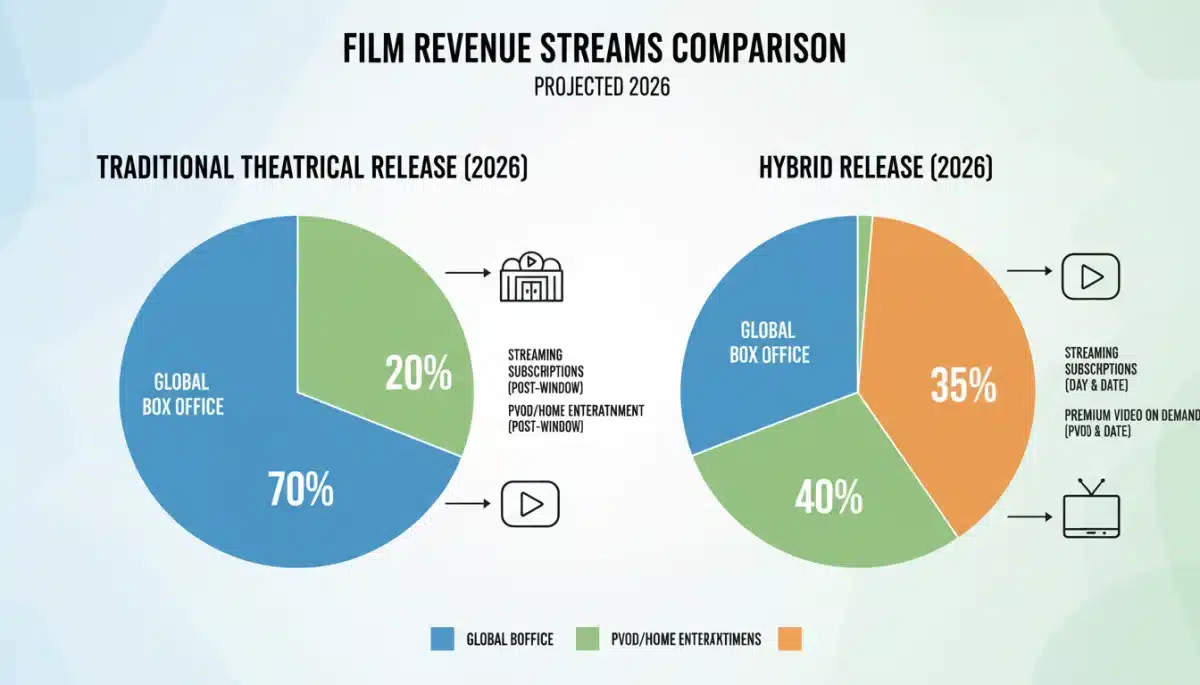
Hybrid models, on the other hand, prioritize convenience and accessibility. The ability to watch a new film from the comfort of one’s home, often at a lower individual cost (especially for subscription services), removes many barriers to entry. This can lead to broader reach and repeat viewings, particularly for families or those with busy schedules. However, home viewing often comes with distractions, potentially diluting the intensity of the cinematic experience.
Shifting Viewer Priorities in 2026
- Experience Seekers: Still gravitate towards the unique social and sensory aspects of cinema.
- Convenience Connoisseurs: Prefer on-demand access and the flexibility of home viewing.
- Value Shoppers: Weigh the cost of a theatrical outing against digital rental or subscription fees.
The key takeaway for 2026 is that neither model is inherently superior; rather, they cater to different audience segments and viewing preferences. Studios must strategically decide which model best suits a particular film, considering its genre, target demographic, and potential for cultural impact, to optimize overall audience engagement.
Economic Implications for Studios and Exhibitors
The choice between traditional and hybrid distribution models carries significant economic consequences for all stakeholders in the film industry, from major studios to independent exhibitors. These financial considerations are central to the strategic decisions made in 2026.
For studios, traditional theatrical releases historically offered predictable revenue streams through box office receipts, followed by subsequent windows like home entertainment and television licensing. While this model can yield massive returns for blockbusters, it also carries substantial marketing and print costs, alongside the risk of box office underperformance. Hybrid models, conversely, offer diversification, potentially offsetting theatrical losses with digital gains, but they can also cannibalize box office revenue.
Financial Dynamics of Distribution in 2026
- Box Office Revenue: Remains a significant, but less exclusive, income stream for major films.
- Subscription Growth: Driving subscriber numbers for streaming platforms is a primary goal for hybrid releases.
- PVOD Premiums: High-margin revenue for direct-to-consumer digital rentals of new releases.
Exhibitors, particularly independent cinemas, face the most direct challenges from the rise of hybrid models. Shorter windows or day-and-date releases can severely impact their primary revenue source. Many are adapting by enhancing the cinema experience through premium formats, dining options, and unique programming to draw audiences back.
In 2026, studios are increasingly balancing the desire for high box office returns with the need to feed their direct-to-consumer streaming platforms. This balancing act requires sophisticated financial modeling and a clear understanding of how each distribution strategy impacts long-term profitability and audience loyalty across their entire media ecosystem.
Technological Advancements Shaping Distribution
Technology has always been a driving force behind changes in film distribution, and by 2026, its influence is more profound than ever. Innovations in streaming infrastructure, data analytics, and cinematic presentation are continuously redefining what is possible for both traditional and hybrid models.
For hybrid models, the evolution of streaming technology is paramount. Faster internet speeds, more sophisticated compression algorithms, and advanced content delivery networks ensure high-quality viewing experiences at home. Furthermore, AI-driven recommendation engines and personalized marketing tools allow studios to target specific audiences with unprecedented precision, maximizing the reach of digital releases.
Innovations Impacting Film Delivery and Experience
- Advanced Streaming Platforms: Offering 4K HDR, immersive audio, and interactive features for home viewing.
- Data Analytics: Providing deep insights into audience preferences, viewing habits, and content performance across platforms.
- Enhanced Cinema Technology: Laser projection, immersive sound systems, and motion seats elevate the theatrical experience.
Even traditional cinema benefits from technological strides. Modern projection systems offer unparalleled visual fidelity, while advanced sound technologies create truly immersive audio landscapes. These enhancements are crucial for theaters to differentiate themselves from home viewing experiences and justify the premium associated with a cinema ticket.
The integration of blockchain technology is also gaining traction, particularly for rights management and transparent royalty distribution, adding another layer of efficiency and security to both traditional and hybrid pipelines. Ultimately, technological advancements in 2026 are not just enabling new distribution methods but also pushing the boundaries of the cinematic art form itself, both in and out of the theater.
The Future Outlook: Coexistence and Customization
Looking ahead to the remainder of 2026 and beyond, the future of theatrical distribution appears to be less about one model completely supplanting the other and more about strategic coexistence and increasing customization. The industry is learning to leverage the unique strengths of both traditional and hybrid approaches.
Studios will likely continue to adopt a film-by-film approach, carefully assessing each project’s potential, target audience, and financial goals to determine the optimal distribution strategy. A tentpole blockbuster designed for global spectacle might still benefit most from a long, exclusive theatrical run, while a niche indie film or a direct-to-streaming original could thrive under a hybrid release.
Emerging Trends in 2026 Distribution
- Dynamic Windowing: Flexible release windows tailored to specific film types and market conditions.
- Fan-Centric Releases: Utilizing data to cater to specific fan bases through bespoke distribution and marketing.
- Global Synchronization: Efforts to align international release strategies more closely across all platforms.
The emphasis will be on maximizing each film’s lifecycle, from initial release to subsequent ancillary markets, across all available platforms. This means a continuous negotiation and evolution of terms between studios, exhibitors, and streaming services, aiming for mutually beneficial arrangements that reflect the value each component brings.
In conclusion, the 2026 theatrical distribution landscape is characterized by its adaptability. The industry is moving towards a highly customized, data-driven approach where traditional and hybrid models are not adversaries but rather complementary tools in a sophisticated ecosystem designed to bring cinematic stories to diverse audiences worldwide.
| Key Aspect | Brief Description |
|---|---|
| Traditional Model | Exclusive cinema window, emphasizing eventization and premium experience. |
| Hybrid Model | Simultaneous or near-simultaneous theatrical and digital release for broad reach. |
| Audience Engagement | Cinema offers immersive communal experience; hybrid offers convenience and accessibility. |
| Economic Impact | Traditional for high box office; hybrid for diversified revenue and risk mitigation. |
Frequently Asked Questions About 2026 Film Distribution
In 2026, a traditional theatrical release typically involves an exclusive window where a film is shown only in cinemas, usually for a period ranging from 45 to 90 days, before becoming available on other platforms. This model emphasizes the unique big-screen experience.
Hybrid models in 2026 involve releasing a film simultaneously or very close in time across multiple platforms, such as cinemas and streaming services or Premium Video On Demand (PVOD). This strategy aims to reach wider audiences and diversify revenue streams quickly.
Yes, exclusive theatrical windows are still common, especially for major blockbusters and films aiming for prestigious awards. However, the length of these windows has become more flexible and is often negotiated on a film-by-film basis, sometimes being shorter than pre-pandemic norms.
For studios, hybrid models offer diversified revenue streams, reduced marketing costs through combined campaigns, and the ability to mitigate risks associated with exclusive theatrical underperformance. They also help feed content to proprietary streaming platforms, boosting subscriptions and retention.
Audience preferences significantly influence distribution. While some viewers crave the immersive cinema experience, many prioritize the convenience of home viewing. Studios analyze these preferences, alongside genre and target demographic, to choose the most effective model for each film.
Conclusion
The 2026 landscape of theatrical distribution is a testament to the film industry’s dynamic capacity for adaptation. Far from a simple dichotomy, the comparison between traditional and hybrid models reveals a sophisticated ecosystem where both strategies play crucial, complementary roles. Studios, exhibitors, and audiences are all navigating a new era defined by technological innovation, evolving consumption habits, and a constant drive to maximize both artistic reach and financial viability. The future promises a flexible, customized approach to film releases, ensuring that diverse cinematic stories find their way to viewers through an array of compelling pathways.