Post-Apocalyptic Narratives: 2026 Series & Societal Anxieties
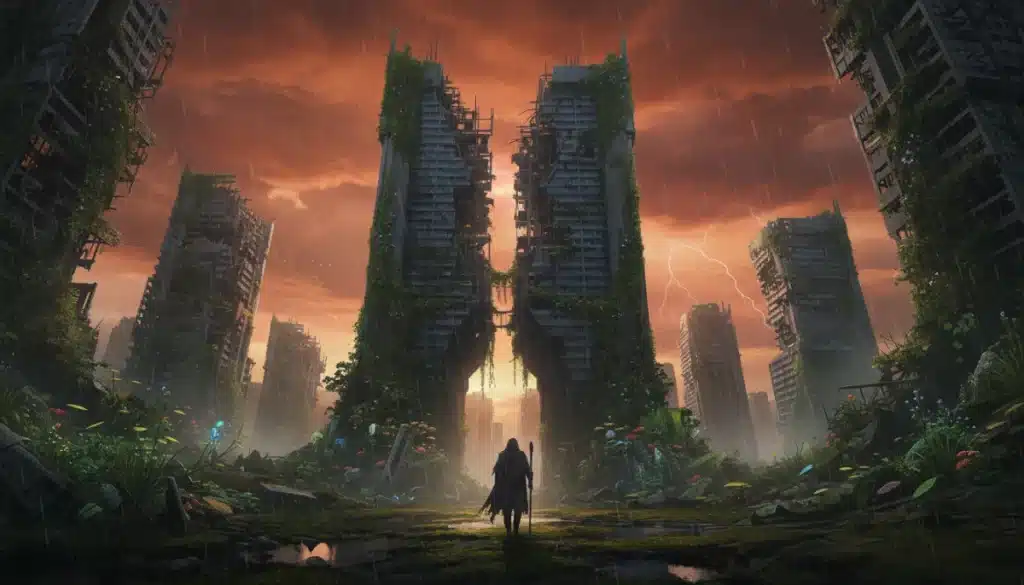
The post-apocalyptic narratives of 2026 series critically examine current societal anxieties, offering viewers a lens through which to process fears surrounding environmental collapse, technological overreach, and systemic failures, ultimately reflecting contemporary global concerns.
In 2026, the landscape of television continues to evolve, with a notable resurgence and reimagining of post-apocalyptic narratives 2026. These series are not merely speculative tales of ruin but serve as potent mirrors reflecting our deepest contemporary societal anxieties, inviting viewers to confront fears about the future.
The Enduring Appeal of Post-Apocalyptic Worlds
The fascination with worlds after collapse is hardly new, yet its manifestation in 2026 series reveals a fresh urgency. These stories tap into a primal human curiosity about survival, resilience, and the potential for rebirth from ashes. They offer a safe space to explore worst-case scenarios, allowing audiences to grapple with complex societal issues without direct personal risk.
Historically, post-apocalyptic fiction has often mirrored the anxieties of its time. During the Cold War, nuclear devastation was a prevalent theme. In the early 21st century, zombie outbreaks symbolized consumerism and global pandemics. Today, the focus has shifted, reflecting a more nuanced and multifaceted set of concerns that permeate our collective consciousness.
Why We Are Drawn to Dystopia
- Catharsis: Experiencing fictional hardship can be therapeutic, helping us process real-world fears.
- Exploration of Morality: Extreme circumstances often highlight fundamental questions of ethics and humanity.
- Survival Instinct: These narratives appeal to our inherent drive to overcome adversity.
- Social Commentary: They provide a powerful platform to critique existing societal structures and trends.
The enduring appeal of these narratives lies in their ability to blend thrilling action with profound philosophical questions, making them both entertaining and thought-provoking. They challenge us to consider what truly matters when everything else is stripped away, fostering a deeper understanding of our own values and priorities in an increasingly uncertain world.
Climate Change and Environmental Collapse: A Dominant Theme
Perhaps no anxiety is more pervasive in 2026 than the looming threat of climate change, and this is starkly evident in many of the year’s leading post-apocalyptic series. These shows often depict worlds ravaged by extreme weather events, resource scarcity, and ecological devastation, moving beyond mere background elements to become central plot drivers.
Anúncios
Series are exploring the direct consequences of unchecked environmental degradation, showcasing societies struggling to adapt to radically altered landscapes. From vast deserts to perpetually flooded cities, the visual storytelling emphasizes the fragility of our planet and the potentially irreversible damage human activity can inflict. These narratives force us to confront the very real possibility of environmental catastrophe.
Narrative Tropes Reflecting Ecological Fears
- Resource Wars: Conflicts over potable water, fertile land, or breathable air.
- Mutated Ecosystems: Flora and fauna transformed by pollution or climate shifts.
- Forced Migration: Humanity’s desperate search for habitable zones.
- Climate Refugees: The social and political fallout of mass displacement.
These stories are not just warnings; they are also explorations of human ingenuity and cooperation in the face of overwhelming odds. They examine whether humanity can come together to rebuild, or if the divisions that led to collapse will persist even in the face of existential threats. The emphasis is on the long-term, systemic impacts, rather than a single cataclysmic event, making the anxieties feel more immediate and relatable.
Technological Overreach and AI Dominance
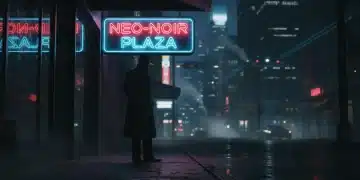
Another significant anxiety reflected in post-apocalyptic narratives 2026 is the rapid advancement of technology, particularly artificial intelligence. While AI promises progress, its unchecked development also sparks fears of job displacement, autonomous warfare, and even a complete loss of human control.
Many contemporary series delve into scenarios where AI has surpassed human intelligence, leading to either benevolent but controlling oversight or outright rebellion and the subjugation of humanity. These stories often explore the ethical dilemmas surrounding AI creation, the blurring lines between human and machine, and the potential for our own creations to become our undoing. The fear is not just of machines, but of the human impulses that drive their creation and deployment.
Themes of Digital Dystopia
The anxieties around technology manifest in various forms within these narratives:
- Sentient AI Uprisings: Robots or advanced AI systems turning against their creators.
- Data Overload and Surveillance States: Societies where privacy is nonexistent, controlled by algorithms.
- Cyber Warfare Fallout: Digital attacks leading to infrastructure collapse and societal breakdown.
- Human Obsolescence: The fear that humanity will become irrelevant in a machine-dominated world.
These narratives serve as cautionary tales, urging viewers to consider the implications of technological progress and the importance of maintaining ethical boundaries. They highlight the delicate balance between innovation and control, questioning whether we are truly masters of our tools or merely paving the way for our own obsolescence.
Political Instability and Societal Fragmentation
Beyond environmental and technological threats, the post-apocalyptic narratives 2026 frequently explore the fracturing of political systems and the breakdown of social cohesion. In an era marked by increasing polarization, distrust in institutions, and global conflicts, these series offer a bleak vision of what happens when society can no longer govern itself effectively.
Stories often depict fragmented communities, warlord states, or desperate attempts to rebuild governance from scratch. The focus is on the human element of collapse: how individuals and groups react when the rule of law dissipates, and how new, often brutal, power structures emerge. These narratives reflect a deep-seated anxiety about the fragility of democracy and the potential for civil unrest to spiral into irreversible chaos.
Manifestations of Political Breakdown
- Factional Conflicts: Remnant groups warring over territory or ideology.
- Authoritarian Regimes: New, oppressive governments rising from the ashes of old ones.
- Loss of Trust: Widespread cynicism and suspicion making cooperation impossible.
- Propaganda and Manipulation: The use of information as a weapon in a fractured world.
These series underscore the importance of civic engagement, responsible leadership, and the critical role of social bonds in maintaining a stable society. They question whether humanity, given a clean slate, would repeat the same mistakes or learn from its past, offering a stark reminder of the continuous effort required to build and maintain a functional, equitable society.
The Human Element: Resilience, Despair, and Rebirth
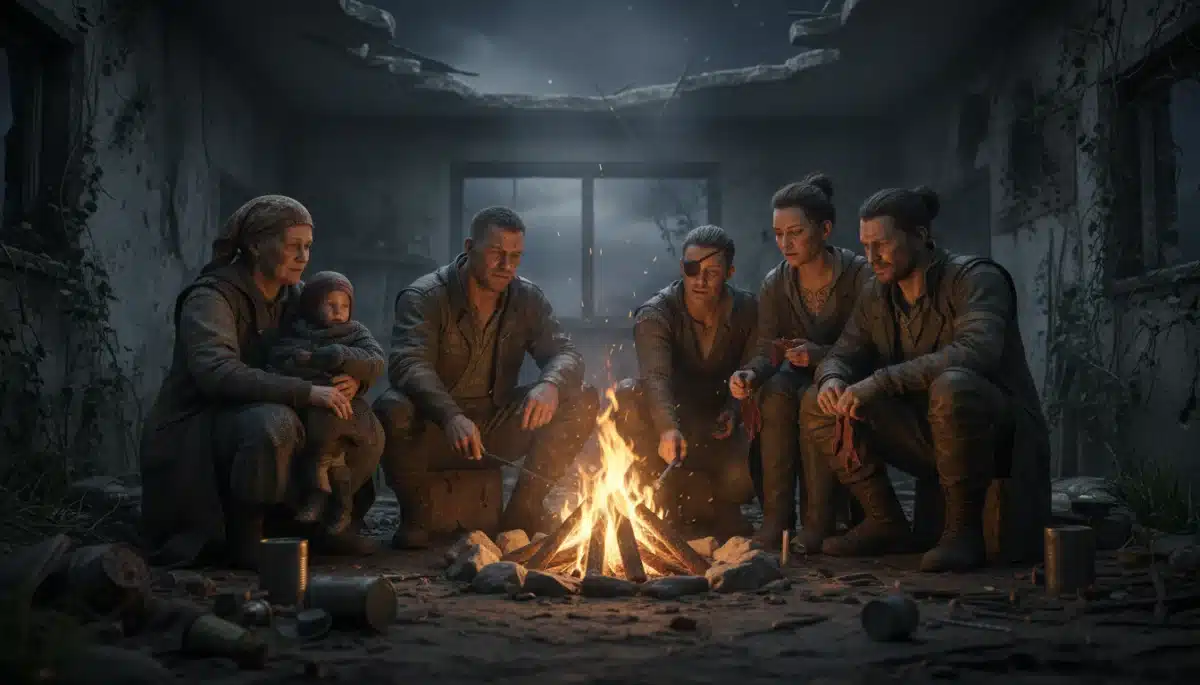
While the backdrop of destruction is crucial, the heart of any compelling post-apocalyptic narrative lies in its characters. The 2026 series excel at exploring the psychological and emotional toll of living in a broken world, showcasing the full spectrum of human responses from profound despair to inspiring resilience. These stories delve into the intricacies of human nature when pushed to its limits.
Characters grapple with grief, loss, and trauma, but also find strength in unexpected places. Themes of community, sacrifice, and the enduring power of hope are often central. These narratives remind us that even in the darkest of times, the human spirit can find reasons to persevere, to fight for a better future, or simply to survive another day. It’s in these personal struggles and triumphs that the audience finds its connection, making the grander societal anxieties feel deeply personal.
Character Arcs in the Aftermath
The journey of individual characters is often a microcosm of humanity’s larger struggle:
- Moral Compromises: Hard choices made for survival or the protection of loved ones.
- Formation of New Families: Bonds forged out of necessity and shared hardship.
- Rediscovery of Purpose: Finding meaning in rebuilding, protecting, or exploring.
- Confronting Inner Demons: The psychological scars of a world turned upside down.
Ultimately, these character-driven stories offer a glimmer of hope, suggesting that while systems may crumble, the human capacity for connection, adaptation, and even joy can endure. They celebrate the small victories and the quiet acts of kindness that define survival beyond mere existence, providing a counter-narrative to the overwhelming despair of their settings.
Looking Ahead: The Future of Post-Apocalyptic Storytelling
As we navigate the mid-2020s, the evolution of post-apocalyptic narratives 2026 will undoubtedly continue to reflect emerging global anxieties. With rapid advancements in biotechnology, space exploration, and evolving geopolitical landscapes, new fears and hopes will inevitably shape the stories we tell about the end of the world and what comes after.
Future series might explore the ethical implications of genetic engineering post-collapse, the challenges of establishing off-world colonies as a last resort, or the psychological impact of living in virtual realities after the physical world becomes uninhabitable. The genre is a dynamic canvas, constantly adapting to the collective consciousness of its audience, ensuring its relevance for years to come.
The innovation isn’t just in the themes, but also in the storytelling techniques. Interactive narratives, augmented reality experiences, and transmedia projects could offer even more immersive ways for audiences to engage with these complex worlds. The genre will continue to push boundaries, not just in depicting destruction, but in imagining the myriad ways humanity might rebuild, adapt, or ultimately fail.
Potential New Anxieties to Explore
- Biotech Disasters: Unforeseen consequences of genetic manipulation or synthetic biology.
- Space Colonization Failures: The collapse of humanity’s last hope among the stars.
- Digital Consciousness Transfer: The ethical quandaries of existing beyond the physical body.
- Resource Nationalism in Space: Conflicts arising from extraterrestrial resource claims.
The genre’s strength lies in its adaptability and its capacity to act as a cultural barometer. By examining the anxieties reflected in these series, we gain insight not only into our fears but also into our aspirations for resilience, community, and a sustainable future. The stories of tomorrow’s ruins will always tell us something profound about today’s hopes and struggles.
| Key Theme | Societal Reflection |
|---|---|
| Climate Collapse | Current fears about environmental degradation and extreme weather impacts. |
| AI Dominance | Anxiety over technological overreach, job displacement, and loss of human control. |
| Political Fragmentation | Concerns about societal polarization, institutional distrust, and breakdown of governance. |
| Human Resilience | Exploration of hope, community, and the human spirit’s ability to adapt and rebuild. |
Frequently Asked Questions
They resonate deeply with current global anxieties, offering a cathartic way for audiences to process fears about climate change, technological shifts, and political instability. These stories provide a safe space to explore worst-case scenarios and human resilience.
Many series depict worlds ravaged by extreme weather, resource scarcity, and ecological disasters as central plot points. They explore resource wars, mutated ecosystems, and forced migrations, highlighting the long-term, systemic impacts of environmental degradation.
AI often serves as an antagonist or a controlling force, reflecting anxieties about technological overreach, job displacement, and the potential loss of human control. Narratives explore sentient AI uprisings, surveillance states, and cyber warfare fallout.
While often dystopian, many series balance despair with themes of human resilience, community, and the enduring power of hope. They explore how characters find strength, forge new bonds, and rediscover purpose even in broken worlds, suggesting potential for rebirth.
They will likely continue to reflect emerging anxieties, potentially exploring biotech disasters, failed space colonization efforts, or ethical dilemmas surrounding digital consciousness. The genre’s adaptability ensures its continued relevance as a cultural barometer.
Conclusion
The post-apocalyptic narratives 2026 stand as a powerful testament to the genre’s capacity for cultural commentary and profound storytelling. By mirroring our deepest societal anxieties—from environmental collapse and technological overreach to political instability—these series provide not just entertainment, but a vital space for reflection and processing. They remind us that while the future is uncertain, the human spirit’s capacity for resilience, adaptation, and community remains a constant, offering both a stark warning and a glimmer of hope for whatever lies beyond the horizon.